Letter openers
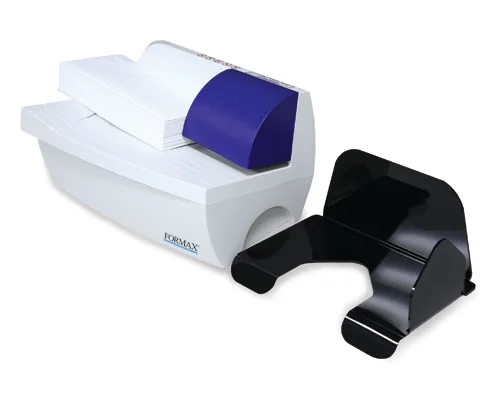
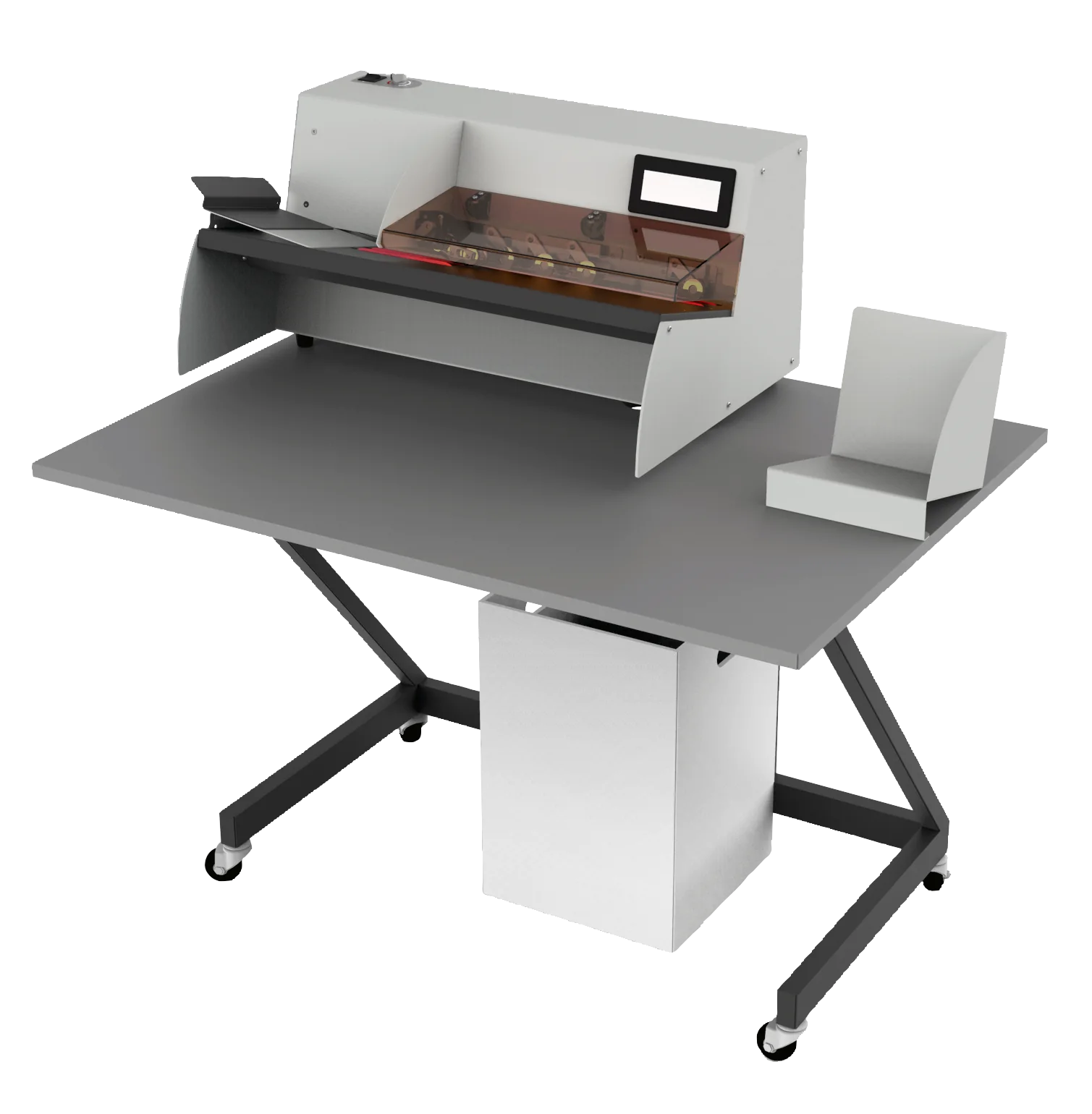
Open incoming mail fast without damaging checks or contents, so cash posting is not waiting on the mailroom.
Who it is for
- Lockbox and payment processing operations
- Mailrooms with heavy inbound mail
- Billing and remittance departments
What it fixes
- Opening envelopes by hand
- Damaged checks or contents
- A bottleneck in cash posting
What we will ask you
Have these answers ready and the first conversation gets you a configuration and a quote, not a brochure.
- How many pieces a day?
- Mixed thicknesses, or uniform envelopes?
- Hand fed, or an automatic feed?
How to choose
- Daily volume and envelope mix: mixed thicknesses need a separator so every envelope opens cleanly.
- Cut method: milling openers take a thin edge off rather than slicing, which helps protect checks and contents.
- Feed: hand fed for light volume, automatic feed for remittance and lockbox work.
- Footprint and noise: openers sit in the mailroom, so check size and dust collection.
Common questions
We already have a basic opener. Why upgrade?
A basic opener is fine for light use. Milling cutters and a mixed-thickness separator prevent damaged contents and jams as volume and the envelope mix go up.
Will it cut into the contents?
A milling opener takes a thin edge off the envelope rather than slicing into it, which lowers the risk of cutting checks and contents.
Often paired with
Tell us about the job
Answer what you can from the questions above, or just describe the work. A person reads every request and gets back to you. Prices are by quote, because every machine is configured to the pieces it runs.
On-site installation, training and service in New York, New Jersey, Connecticut, Pennsylvania and Delaware. Equipment and supplies ship nationwide and into Canada.
Who we serve: Companies that mail from in house, Government and elections, Universities, nonprofits and associations.